No Rosette? No Problem!
Manon! at HeartBeat Opera

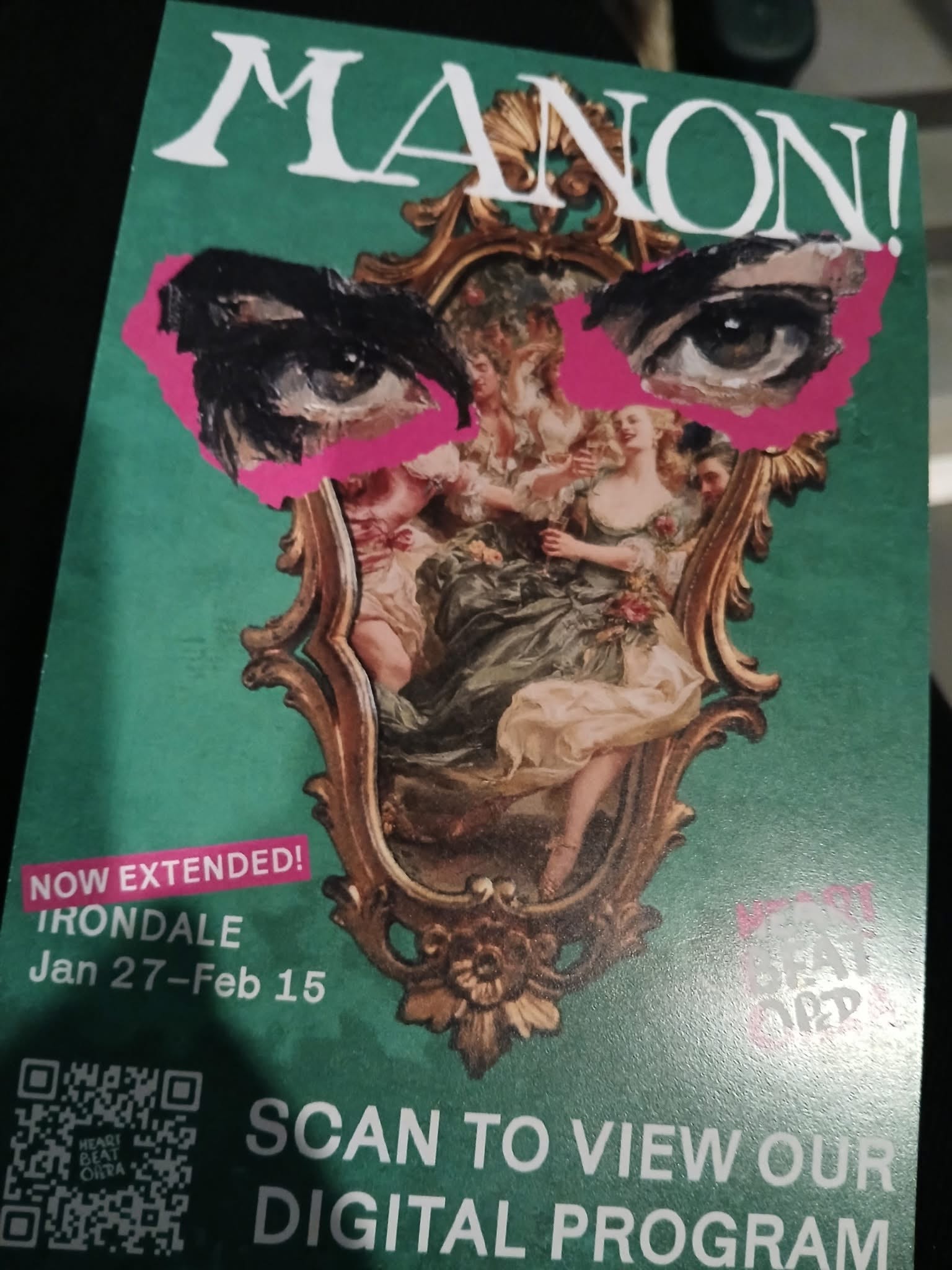
Manon!
Massenet’s Opera
Reimagined by HeartBeat Opera
Irondale Theater
February 13, 2025
Credits in the photos
I have seen the future of opera and it isn’t the Met. With a tiny orchestra and creative use of space, plus a vivid translation and a brilliant cast, this version of a big house classic delivered everything that opera is supposed to provide: beauty, feeling, and entertainment.
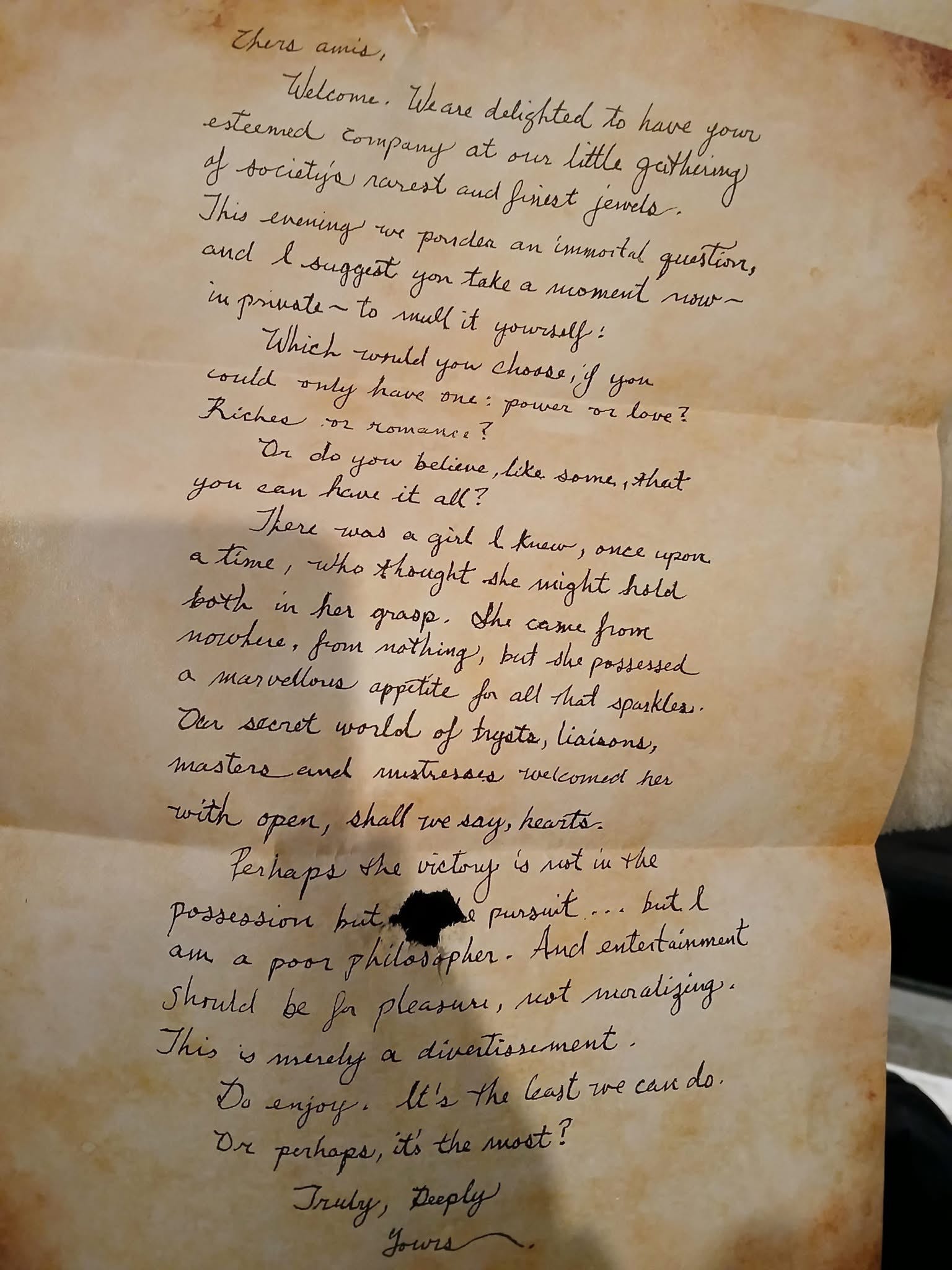
First, the exclamation point. Stereotypically using that mark is sign of upping the energy for something that needs help. Here it seems to act as a signal differentiating this piece of musical theater from the opera on which it is closely but creatively based.
The libretto (and thus the music) was translated into modern English that felt character-appropriate and every word came through, both because the singers had clear diction and because they were miked. Which felt unnecessary in the space. But it allowed—encouraged—creative vocal choices which might not have been audible otherwise. The cuts and reorderings of numbers made sense. The original opera keeps the romance in the foreground with the unsavory stuff more suggested than depicted. Here all the toxic abusive sexuality and power dynamics are squarely center stage, right from the “prologue” of Guillot and his babes having a three-way accompanied by Massenet’s Rameau style ballet music. The result is a shift in the emphasis of what happens to Manon—she is trafficked by her cousin and everybody uses her.
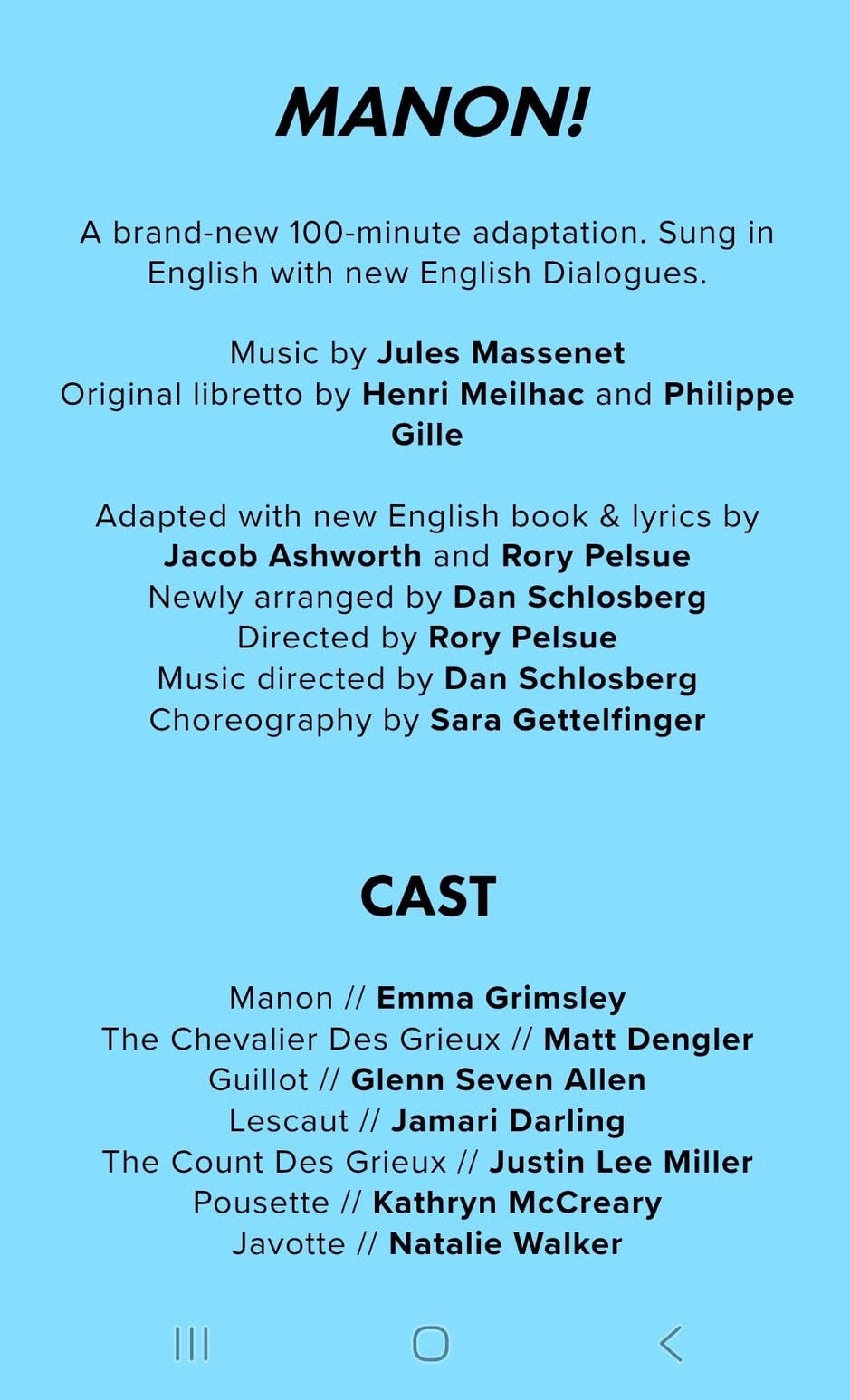
The show ran under two hours, with no intermission—though I would have liked one after Des Grieux gets abducted and Manon is left alone. That moment required emotional processing precisely because Manon was so terrific. She has the right voice, a champagne-colored light soprano. She conveyed every feeling so effortlessly, from her naive joy to her anguished discomfort listening to the Dream aria. She was Manon, with and without the !
Des Grieux had more of a Brigadoon-style music theater tenor and used a lot of falsetto (very attractively), but managed even the deadly B flats of the St Sulpice scene efficiently. He completely embodied the goofy, charming, clueless boy—the very vision of “adorkable.” He bought into the excitement of gambling in a way that showed how Manon had changed him. And his freak-out at the end was obvious yet unexpected and gripping.
Guillot and de Bretigny were conflated into one character. He was constantly described as too old for Manon but was quite as attractive as Des Grieux—including his obligatory shirtless scene. Fine voice, excellent actor, and another obvious but unexpected moment when he had EVERYONE arrested at the end of the gambling scene. His accusation, hurled at Manon, that it was all her fault for “making” him love her was the crux of the whole opera. His so-called love was the shadow of Des Grieux’s.
Lescaut was played for foppishness to the point of camp. OK, well beyond that point. He had a big personality and a huge voice. He played up the queerness and the amorality of the character, very much the gold-digger and pimp, which was one aspect of this version that threatened to veer into modern caricature.
Pousette and Javotte (minus Rosette in this version) were amusing but also tended towards the modern side.
Daddy Des Grieux filled out the cast with a grounded presence—and played various supporting characters as needed. I want his long blue coat!
Translation and direction really dug into the heart of the material. As beautiful as it is in French on a huge stage with a big orchestra it really hits home this way.
The set was essentially a black box with some moveable items. There was, of course, a little table. The cast was the set crew. Very nice costumes, fancy 18th century frock coats and gowns.
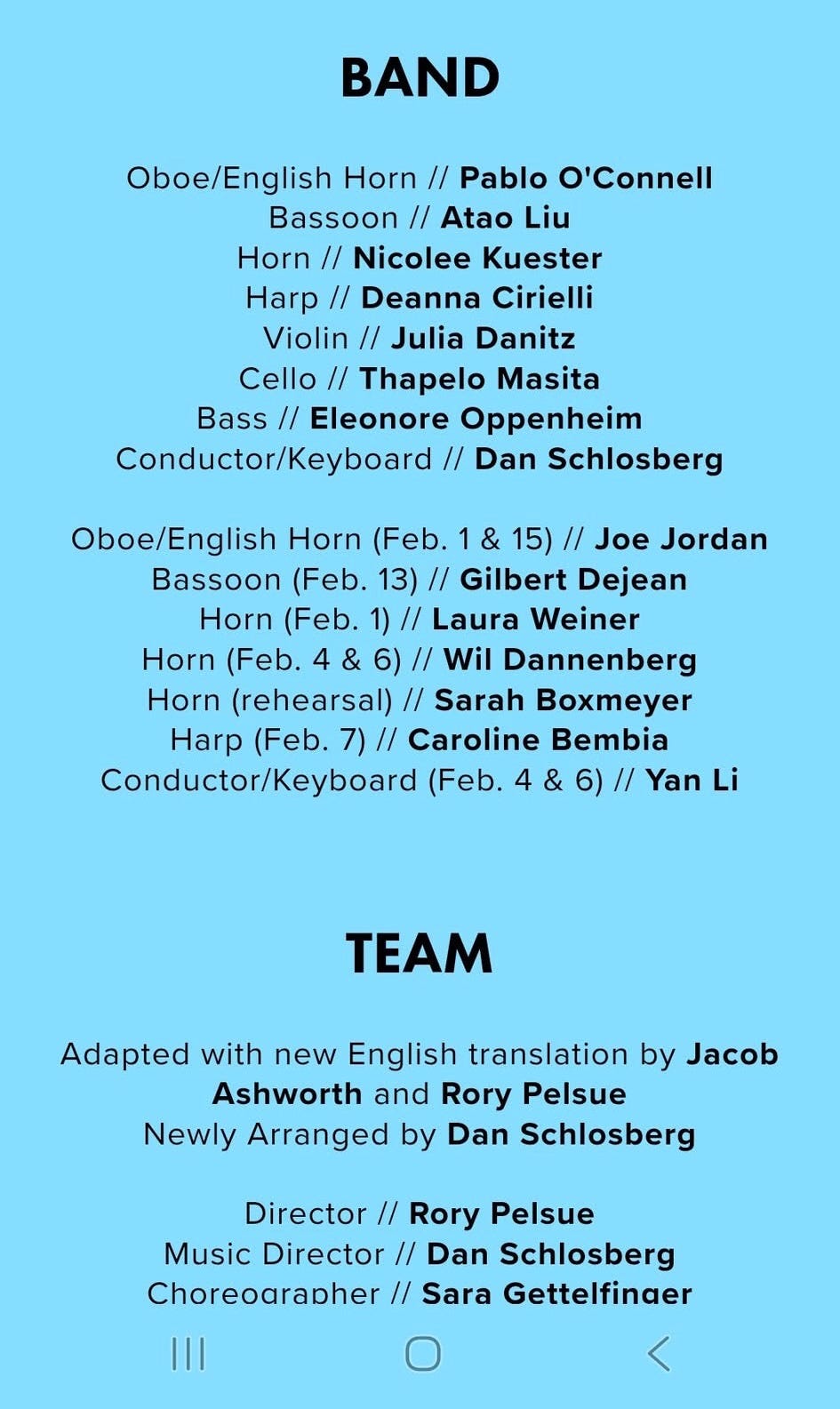
The reduced orchestration preserved all the colors of the original and added an aspect of intimacy properly scaled to the stage and the singing. The synth did triple duty and yes there was a pipe organ at St. Sulpice! Only one moment felt lacking—I missed the full strings at Manon’s last and finally successful iteration of N’est-ce plus ma main. This was also the one moment when singing and staging didn’t rise to the moment. Des Grieux capitulated too easily and Manon lacked a few rich notes in her lower middle voice to carry the weight of that phrase. Hardly a blip in an otherwise terrific presentation of an ageless sad story about young love and a dangerous world. A hard story to watch from the vantage point of age…..
A wonderful evening in the theater. I will gladly see anything this company offers—they obviously love and respect the material they adapt.